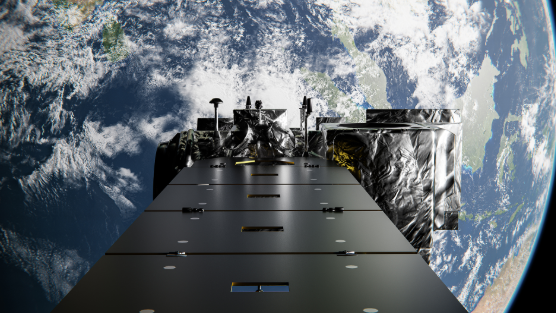
Space technology is integral to modern Earth observation systems, facilitating the acquisition of critical environmental data. Through remote sensing, satellites gather information on climate patterns, land use, and natural resources. This data is vital for various applications, including disaster response and agricultural management. As the capabilities of sensors and analytics evolve, new possibilities emerge. The implications of these advancements warrant further examination, particularly in the context of sustainability and climate resilience.
How Space Technology Powers Earth Observation
As technological advancements continue to evolve, space technology has emerged as a critical enabler of Earth observation systems.
Remote sensing facilitates the collection of vast data sets from satellites, while data analytics transforms this raw information into actionable insights.
This synergy enhances environmental monitoring, resource management, and disaster response, empowering individuals and organizations to make informed decisions that promote autonomy and sustainable practices.
Key Applications of Earth Observation Systems
Earth observation systems serve a multitude of critical applications that span various sectors, significantly enhancing global understanding and management of natural and human-induced phenomena.
Key applications include agricultural monitoring for yield optimization, urban planning to improve infrastructure efficiency, environmental protection through habitat assessment, and resource management ensuring sustainable utilization.
These technologies empower stakeholders with data-driven insights, fostering informed decision-making for a sustainable future.
The Role of Satellites in Climate Monitoring and Disaster Response
While climate change poses significant challenges globally, satellites play an indispensable role in monitoring environmental conditions and facilitating disaster response efforts.
Through advanced satellite communication systems, real-time data enhances climate forecasting accuracy, enabling timely interventions.
These technologies empower decision-makers, equipping them with crucial information to mitigate disaster impacts, optimize resource allocation, and enhance resilience strategies in the face of evolving climatic threats.
See also: xnxubdvpnbrowserapk
Future Trends in Space Technology and Earth Observation
Although advancements in space technology have historically transformed Earth observation capabilities, the future promises even more profound innovations driven by artificial intelligence, miniaturization, and enhanced sensor technologies.
Autonomous drones equipped with sophisticated AI algorithms will facilitate real-time data collection, enabling unprecedented environmental monitoring and disaster response.
These developments will empower stakeholders with actionable insights, fostering informed decision-making for sustainable resource management and climate resilience.
Conclusion
In summary, space technology and Earth observation systems are integral to advancing environmental management and resilience. For instance, the Sentinel-2 satellite mission exemplifies this synergy by providing high-resolution imagery that aids in precision agriculture, allowing farmers to optimize crop yields while minimizing environmental impact. As these technologies evolve, their capacity to harness data for sustainable development will only increase, driving informed decision-making across various sectors and enhancing global efforts in climate change mitigation and adaptation.