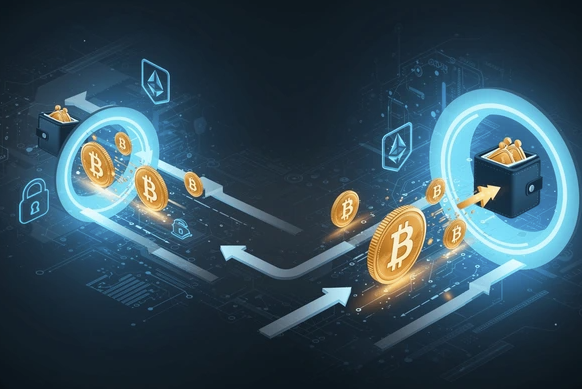
Crypto for Beginners offers a structured route into digital money, with clear stakes and practical steps. It starts by defining crypto and its relevance, then emphasizes safety through wallets, keys, and basic security. Core ideas like blockchain, tokens, and fees are clarified without hype. A practical routine favors small, disciplined actions over quick gains, balancing curiosity with risk awareness. The path ends with questions that invite further exploration and steady progress.
What Is Crypto and Why It Matters Today
Cryptocurrency is a digital form of money that uses cryptography to secure transactions and control new units.
The topic matters because crypto challenges centralized control, offering alternative systems for value transfer.
The core appeal lies in potential freedom from intermediaries and censorship.
Critics cite volatility and risk.
Yet crypto adoption and decentralized finance illustrate ongoing experimentation with trust, governance, and borderless markets.
How to Start Safely: Wallets, Keys, and Basic Security
To begin using crypto safely, readers should first understand how wallets, keys, and basic security work together to protect value.
The discussion emphasizes wallet safety and key management, urging skeptical, independent handling.
Hardware wallets offer offline protection, but require disciplined practices.
Seed phrases must be stored securely; exposure risks are real.
Awareness of phishing and device compromise reinforces cautious, freedom‑minded stewardship.
Core Concepts Everyone Should Know (Blockchain, Tokens, and Fees)
Blockchains, tokens, and fees form the backbone of how crypto works, but they are not interchangeable concepts. The discussion clarifies blockchain basics, token economics, and security basics, while noting that transaction fees shape usability and incentives.
A skeptical lens highlights risks, governance limits, and the freedom-dependent tradeoffs, urging readers to understand incentives, costs, and technical foundations before acting in volatile markets.
Practical Steps for a Beginner Learning Path (Daily Habits and Beginner Projects)
A practical learning path for beginners centers on daily habits and small, focused projects that build confidence without overwhelming risk.
The approach emphasizes disciplined, repeatable routines and incremental challenges, avoiding hype.
Daily habits cultivate skepticism toward promises, while beginner projects validate concepts through hands-on practice.
Progress is measured, not promised, ensuring continued freedom to explore responsibly within personal risk tolerance and budget.
Frequently Asked Questions
How Do Taxes Apply to Crypto Gains and Losses?
Tax treatment hinges on capital gains or losses; reporting requirements rely on fair market value and IRS guidance. Crypto tax implications include tax forms, capital gains, capital losses, wash sale rules, and evolving compliance expectations. Skeptically, users seek transparency.
What Are Common Crypto Scams and Red Flags to Avoid?
Suspenseful warning: crypto scams and red flags abound, and vigilance matters. The piece explains common crypto scams, how suspicious incentives operate, and red flags to avoid—skeptical, concise guidance for an audience pursuing freedom and informed choices.
Which Crypto Sectors Show the Most Growth Potential?
The hot sector analysis points to Layer2s and decentralized storage as growth bets, though skeptics caution volatility. Liquid market trends suggest watchful scrutiny; opportunities exist, but sustained freedom requires risk awareness and disciplined diversification.
How Do Staking and Yield Farming Work in Simple Terms?
Staking basics can earn validators roughly 5–15% annualized, if network conditions cooperate, while yield farming explained involves shifting funds across protocols for variable, high-risk returns. Skeptically, one notes liquidity risk, impermanent loss, and security concerns.
See also: Space Technology and Earth Observation Systems
What Are Reputable Sources for Ongoing Crypto Education?
Reputable sources for ongoing education include independent research platforms, peer-reviewed journals, and reputable news outlets; beware biased channels. Ongoing education should cover taxes on crypto gains, regulatory changes, risk management, and critical evaluation of claims. Skeptical, freedom-minded readers stay vigilant.
Conclusion
In the end, the beginner walks away with a trophy: a wallet full of questions and a ledger of caution. They’ll praise blockchains for transparency while quietly fearing hacks, scams, and faulty audits. The path promises freedom and fame, yet delivers risk measurement, budgeting, and meticulous note-taking. Ironically, mastering “simple” crypto is a daily grind of skepticism dressed as excitement, a reminder that prudent curiosity beats reckless hype, one careful step at a time.