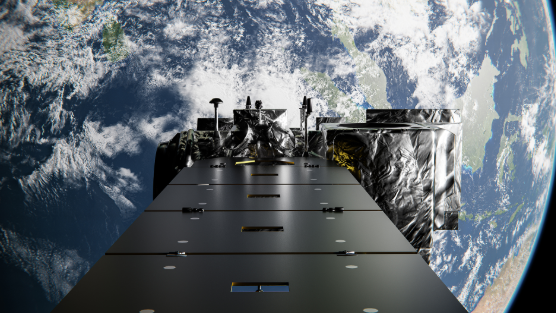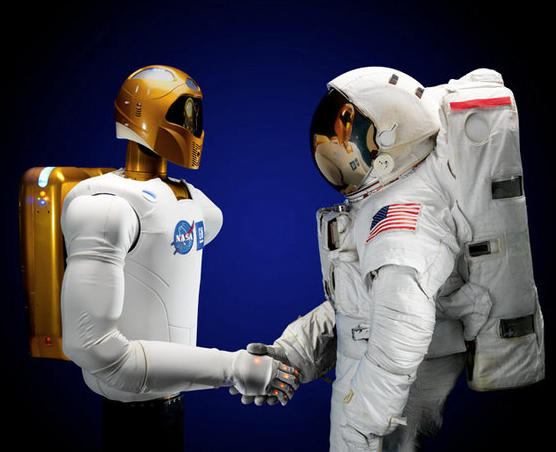
Space robotics has become integral to the success of exploration missions. These advanced systems enhance operational efficiency and mitigate risks in hostile environments. Autonomous rovers and robotic arms can perform complex repairs and manage hazardous materials, thereby ensuring mission reliability. As technology advances, the potential applications of these robotic systems expand. This raises critical questions about their future roles and the challenges that may arise in the ever-evolving landscape of space exploration.
The Role of Robotics in Modern Space Missions
As space missions become increasingly complex, the integration of robotics has emerged as a pivotal element in enhancing operational efficiency and safety.
Robotic arms play a critical role in executing tasks with precision, significantly improving mission reliability. These innovations enable the handling of hazardous materials and complex repairs, ensuring that astronauts can focus on exploration, thereby expanding the frontiers of human capability in space.
Key Innovations in Space Exploration Technology
The advancements in robotics have paved the way for significant innovations in space exploration technology, transforming how missions are designed and executed.
Key developments include advanced robotic arms capable of intricate tasks within space habitats, enabling efficient assembly, maintenance, and experimentation.
These innovations enhance operational capabilities, allowing for greater autonomy and flexibility in hostile environments, ultimately expanding humanity’s reach into the cosmos.
How Do Autonomous Systems Enhance Planetary Exploration?
Autonomous systems revolutionize planetary exploration by enabling spacecraft and rovers to perform complex tasks without direct human intervention.
These systems enhance data analysis capabilities, allowing for real-time interpretation of environmental conditions and scientific findings.
Furthermore, mission adaptability is significantly improved as autonomous systems can adjust objectives based on gathered data, ultimately increasing the efficiency and effectiveness of exploration missions in diverse planetary environments.
See also: xnxubdvpnbrowserapk
The Future of Space Robotics: Challenges and Opportunities
While advancements in space robotics promise to enhance exploration capabilities, significant challenges remain that must be addressed for future missions.
Robotic adaptability is essential for mitigating unforeseen obstacles and maximizing mission longevity. Developing innovative solutions, such as AI-driven autonomous systems and modular designs, can enhance performance in diverse environments.
Ultimately, expanding the frontiers of exploration and ensuring that robotic systems fulfill their potential in the cosmos is crucial.
Conclusion
In conclusion, space robotics serves as the cornerstone of modern exploration missions, akin to a guiding star illuminating the path for human endeavor in the cosmos. The integration of autonomous systems and advanced technologies not only enhances operational efficiency but also mitigates risks associated with hostile environments. As the field evolves, embracing both challenges and opportunities, robotics will undoubtedly expand the frontiers of human knowledge, paving the way for unprecedented discoveries beyond our planet.